
5 Signs You’re Optimising for Metrics That Don’t Matter
Businesses today track more data than ever, but not every metric drives meaningful growth. Here are five signs...


Businesses today track more data than ever, but not every metric drives meaningful growth. Here are five signs...

As one of the fastest‑growing advertising channels, retail media conversations revolve around measurement, transparency and true value for...
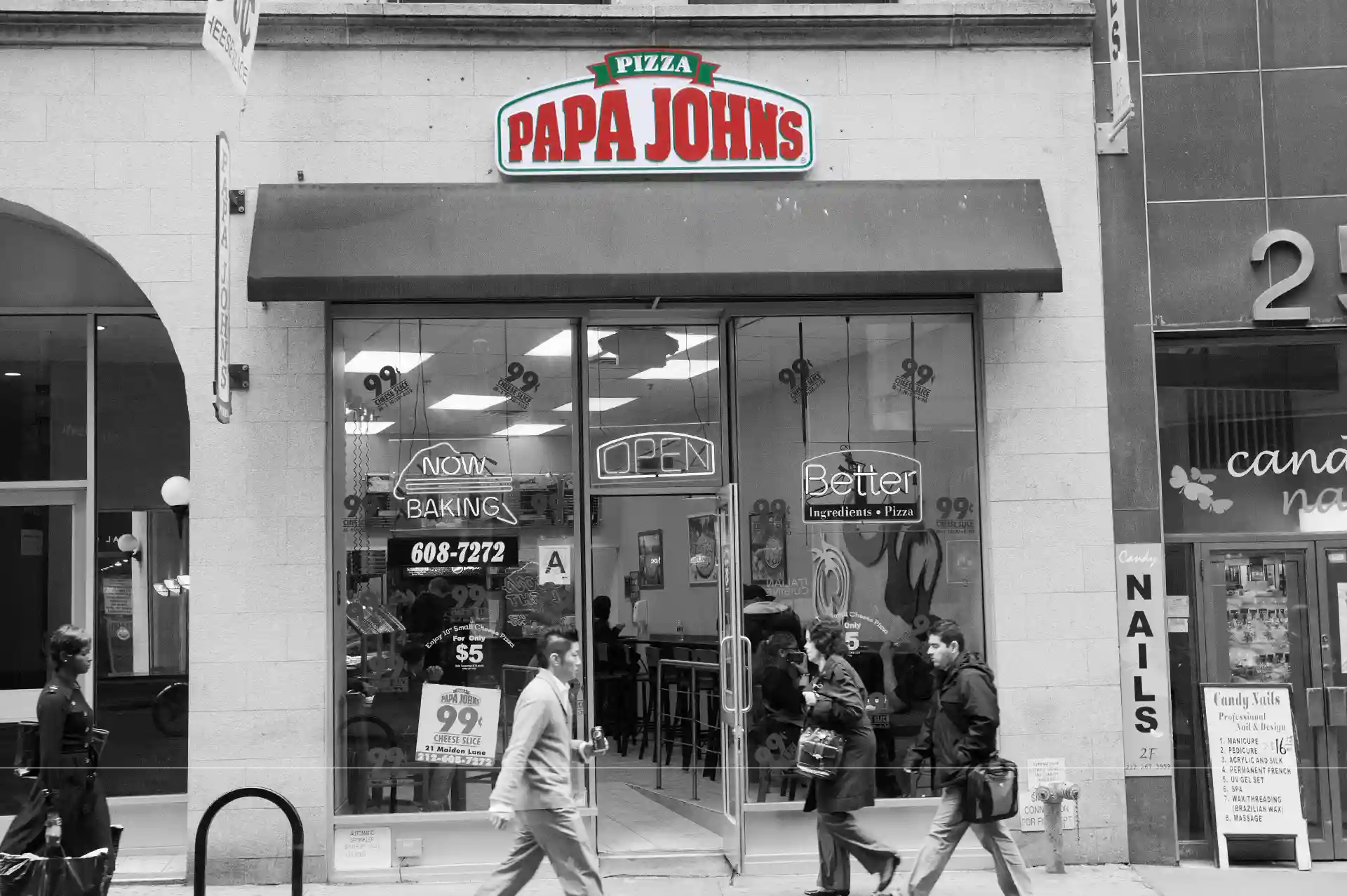
Papa Johns is entering a new phase of growth shaped by intelligence rather than expansion, embedding AI across...

OneTrust, the AI-Ready Governance Platform™, enables innovation through the responsible use of data and AI. Trusted by over half of the Fortune 500, we help businesses govern well and move fast, turning responsible data use into a catalyst for growth. To learn more, follow OneTrust on LinkedIn or visit www.onetrust.com.

Vincent Low is the co-founder and CEO of Potato Play, a mobile games publisher and developer HQ-ed in Singapore. With over 20 years of experience, he has seen the mobile games industry evolve from premium paid downloads to today’s free-to-play live-ops model, leveraging data-driven insights to power player engagement, optimise monetisation, and drive long-term retention. Vincent brings a cross-functional perspective across product, marketing, and publishing, and is passionate about building scalable game businesses in an increasingly competitive landscape.

Sajin Mohamed is the Global Director of Digital & AI at Plaza Premium Group, where he leads digital commerce, customer experience, loyalty, and artificial intelligence initiatives across the group’s airport hospitality businesses.
He has more than 25 years of experience in aviation and travel technology, with previous roles at Collins Aerospace, TCS, Sabre and IBS Software. His work has covered passenger services, commercial platforms, data and analytics, revenue management and digital transformation for more than 50 travel suppliers.

Cyril Prasanna Kumar is a digital transformation leader and entrepreneur with over 16 years of experience driving growth across digital marketing, FMCG, SaaS, and financial technology. He previously served as Regional Head of Digital Marketing and GenAI for ASEAN at Reckitt, where he spearheaded enterprise AI integration and multi-market digital strategies. Currently, Cyril is the founder and executive board advisor of BELVYNN, a premium lifestyle brand engineered around high-performance apparel and modern commerce. He regularly contributes to the regional marketing ecosystem as an industry speaker and awards juror, focusing on the convergence of generative AI, marketing technology, and brand scalability.

With a strong track record in building analytics capabilities and driving innovation, Keyur specialises in helping organisations unlock business value through strategic data acquisition, insight generation, and advanced analytics frameworks. Passionate about leveraging data as a growth catalyst, Keyur empowers businesses to make informed decisions by translating complex information into actionable intelligence. His expertise spans digital marketing analytics, business intelligence, automation, and enterprise data strategy, enabling organisations to optimise performance and accelerate digital transformation. Throughout his career, Keyur has successfully led cross-functional teams, developed scalable analytics frameworks, and delivered solutions across APAC, EMEA, and AMER regions. His strategic vision and technical acumen have helped organisations streamline operations, and establish robust measurement methodologies.

Aaryan Kapur is a marketing leader with over 12 years of experience driving user acquisition, retention and growth through data-led marketing strategies. He currently serves as the Group Head of Digital Marketing at Aster DM Healthcare, where he leads digital marketing and growth across healthcare, pharmacy and digital health.
With a strong track record in app marketing, performance marketing, CRM, analytics and customer growth, Aaryan has delivered significant improvements in ROI, conversion and customer retention. His work has earned him recognition as Digital Marketer of the Year and a place among the Top 100 Marketers by industry organisations.

Ajish is currently the Vice President for Revenue (MEA & India markets). With over 15 years of experience across banking, travel, industrial, and Martech SaaS industries, Ajish specializes in scaling businesses through sharp execution, cross-functional alignment, and a grounded approach to growth. For the past decade, Ajish has focused on Martech SaaS, growing Insider’s MEA business 17X since 2018.

Insider One is an AI-powered customer engagement platform that brings everything marketing and customer engagement teams need into one place to accelerate growth and create meaningful customer experiences. With AI at its core and an integrated Customer Data Platform (CDP), Insider One unifies customer data, personalization, and journey orchestration across an extensive range of natively supported channels, including WhatsApp, SMS, Email, Web, App, and Site Search.
For over 13 years, Insider One has worked closely with leading global brands, including Adidas, L’Oréal, Puma, Clarins, IKEA, Samsung, GAP, Levi’s, AS Watson, Toyota, Singapore Airlines, and Unilever, helping them deliver connected omnichannel experiences, drive measurable revenue impact, and build lasting customer relationships through AI-led personalization and engagement.
Trusted by 2,000+ customers across 30+ countries and 15 industries, Insider One combines deep industry expertise with innovative technology to help marketing teams be first, be focused, and be progressive – accelerating growth, building customer love, and redefining leadership in customer engagement.

Hightouch is the leading agentic marketing and customer data platform that empowers companies to power personalized marketing and business operations from their very best data. Trusted by leading brands like Domino’s, Autotrader, Cars.com, Aritzia, and PetSmart, Hightouch enables anyone to deliver personalized customer experiences, optimize performance marketing, and move faster by leveraging data and AI across their organization.

Nicolas is a senior marketing, strategy and commercial leader with over 17 years of international experience spanning brand building, customer strategy, e-commerce and commercial growth.
He currently serves as Vice President Marketing & Strategy at ADNOC Distribution, where he leads brand, marketing and growth strategy across fuel and non-fuel retail, with a focus on strengthening customer engagement, driving frequency and lifetime value, and building brands that deliver commercial growth.
Previously, Nicolas was Chief Brand Officer at The Giving Movement and held senior leadership roles at adidas and The Absolut Company. Having worked across multiple markets, industries and cultures, his experience sits at the intersection of brand, customer experience, digital transformation and commercial strategy.

Frank Ng is the Vice President of Commercial & Marketing at PRISM+, a leading direct-to-consumer (D2C) consumer electronics and smart home appliance brand in Singapore. He unites commercial growth, retail integration and digital marketing across the brand’s expanding regional portfolio. With previous experience across Intellect, Uber, Skyscanner, and Reckitt, Frank brings deep expertise in building scalable growth models and bridging digital D2C strategies with physical retail experiences. He is passionate about teaching and nurturing talent, having served for about 5 years as a digital marketing instructor in various companies.

Praveen Chandran is Director of Product at Carousell, where he leads product monetization for one of Southeast Asia’s largest marketplaces. Over 18 years across consumer internet and B2B SaaS at Microsoft, Quikr, and Naukri.com, he has driven growth at the intersection of product and marketing. He brings a product leader’s perspective to conversations on growth, engagement and monetization in digital marketplaces.

Arushi Sethi Malhotra is a senior Brand & Commercial leader with 18+ years of experience across MENA and India, building and transforming consumer businesses through brand strategy, commercial leadership, innovation and P&L management.
Her career spans FMCG, beauty, grooming and fabric care, leading some of the world’s most recognised billion-dollar brands including Ariel, Tide, Downy, Olay and Old Spice. She has led business turnarounds, created new growth engines and delivered double-digit growth, share gains and significant profitability improvement.
Most recently, Arushi has been advising local businesses as a Brand & Business Consultant. She is a strong believer in T-shaped leadership — combining depth of expertise with the breadth to connect the dots across a business.

Sensor Tower is a global provider of digital intelligence solutions, empowering companies to understand consumer behavior and market performance across mobile apps, digital platforms, web, and gaming ecosystems. Headquartered in San Francisco, Sensor Tower’s insights are trusted by more than 2,500 enterprises worldwide.

Aidan James is an Account Director on Hightouch’s EMEA team, working with marketing and data teams across the region to explore how Hightouch’s Agentic Marketing Platform can help them turn their data into action and build more effective, personalised customer experiences. With a focus on the intersection of data, AI, and marketing, Aidan helps organisations navigate the shift toward more intelligent and scalable customer engagement. Aidan is passionate about making complex technology practical, relevant, and valuable for modern marketing teams.

Eric Meulien is a senior digital retail and e-commerce executive with over 30 years of international experience across retail, merchandising, customer experience, technology, analytics, and digital transformation. He currently serves as General Manager, Ecommerce and Digital Retail at Al-Futtaim Retail, where he leads digital commerce strategy, omnichannel growth, customer engagement, and innovation across multiple brands and markets.

Karix is a leading CPaaS provider in the Middle East, part of the Tanla Group — a global communications technology company. Karix powers 640+ Bn conversations annually for 2,500+ enterprises worldwide across BFSI, retail/e-commerce, healthcare, travel & hospitality, government, and beyond. With over 25 years of expertise, Karix delivers the reliability, intelligence, and depth that meaningful customer communication demands, backed by regional compliance aligned to UAE data protection and telecom regulatory standards.
From the channel to the customer journey — across WhatsApp, voice, SMS, RCS, email, and more — Karix’s AI-powered solutions, workflows, and omnichannel experiences move customers to action intelligently. As Meta’s Premier Partner for WhatsApp Business Messaging and a global leader in RCS for Business (Google’s #1 partner worldwide), Karix is the strategic communications partner enterprises trust to perform, convert, and grow.

Sharif brings a unique blend of expertise spanning finance, operations, consulting, product, and sales across 4 continents in global startups and multi-national tech companies. His journey has been defined by a passion for building diverse teams in emerging economies and driving innovation in untapped markets. Sharif’s career highlights include leading the expansion of a New York-based startup into EMEA, executing a go-to-market strategy for a newly acquired Cisco product in Emerging Markets, and leading the AWS geographic expansion across Middle East and Africa over the last 8 years. He is currently leading the GCC expansion for Braze, a global customer engagement platform and redefining the way brands engage with their end-customers.

Jamie is passionate about building great brands, believing that great brands have the power to transform organisations, society and the world at large. With over 15 years of industry experience, he brings a wealth of integrated marketing expertise, working with both blue-chip clients and challenger brands across a wide range of sectors.
Jamie moved to Dubai in May 2023 to take on the role of Marketing Director for the SHARE Rewards Programme at Majid Al Futtaim, where he spent two and a half years. Since then, Jamie has been working as a Brand and Business Consultant for a range of clients, including Akana Collective, Saudia Airlines and ALDAR.
Prior to moving to the UAE, Jamie was also the Founding Director at BBD Perfect Storm, a London-based Brand & Cultural Transformation company, which Jamie helped grow from a team of three to more than 50 people.

Igor is a growth marketing practitioner, journalist and economist with over 10 years of experience across fintech, proptech, e-commerce and technology businesses. He is currently Director of Growth at Stake, a regulated fintech and proptech offering fractional real estate investment in the UAE and Saudi Arabia. Previously, he held growth leadership roles at CAFU, invygo and Olist, where he led strategies across acquisition, retention, performance marketing, SEO, ASO, CRM, CRO and go-to-market. Igor is also an experienced teacher and keynote speaker on digital marketing, copywriting and e-commerce

Jean-Paul Smalls is a senior marketing and commercial leader with over two decades of experience driving growth, digital transformation, and brand strategy across healthcare, technology, and consumer sectors. He currently serves as the EVP – Commercial at Trellis Hospital, Al Ghurair.
Previously within the healthcare industry Jean-Paul has served as the CMO at Emirates Hospitals and Chief Communications & Digital Officer at Clemenceau Medical Center Hospital – Dubai, and Head of Marketing & Call Center Operations ar King’s College Hospital London UAE.

Naomi Mendez is a CMO at the intersection of hospitality, community, and wellness. Over the past years, she has led marketing for a portfolio of hospitality brands within Emirates Hospitality, including globally loved coffee concepts such as % Arabica in the UAE and the UK shaping brand strategy, customer experience, and community-led growth. Beyond corporate leadership, Naomi is the Founder of Storm Cycling in Dubai, built from her genuine love for wellness and the belief that movement is more than fitness it’s confidence, connection, and identity. Naomi’s work blends premium brand building with human-centered storytelling, creating experiences people don’t just consume, but truly belong to.

Lee Kai Xin is the Chief Experience and Marketing Officer at Supermom, where she leads brand transformation, user growth, and experience strategy across Southeast Asia. She is currently focused on building the next-generation trusted village for modern mothers, bringing together community, content, data, and AI to create more meaningful support for families and stronger connections between mothers and brands.
Kai Xin has over 20 years of experience in brand strategy, marketing, digital transformation, and business growth, with a career spanning technology, advertising, media, and consumer platforms. She was the co-founder of Wild Advertising & Marketing, which she grew into one of Singapore’s leading independent agencies before successfully exiting the business in 2023. Her experience also includes leadership roles at Microsoft, Lenovo, Meetsocial, and The Brand Union.

Hugh Kimber serves as General Manager, EMEA, overseeing revenue efforts and continued growth in EMEA. With over 20 years in the digital marketing space, Hugh has a deep understanding of customer experience marketing, optimisation, and customer engagement. Hugh is a dynamic and highly driven leader with comprehensive experience working with some of the largest household brands in EMEA, focused on best in class customer service, workforce development, and management of business operations.

Jatin is a senior retail leader with over 27 years of experience across India and the MENA region, with expertise in strategic P&L leadership, omni-channel transformation, business growth and operational excellence. He has built his career by bridging board-level strategy with on-the-ground execution, driving profitable growth through sharper operations, customer-centricity, digital transformation and high-performing teams. His experience spans leading businesses across brick-and-mortar, e-commerce and corporate channels, with a strong focus on growth, expansion and innovation.
Currently Vice President at Apparel Group, Jatin has previously held senior leadership positions with Landmark Group, Tata group and Carlsons group. His leadership philosophy is rooted in continuous learning and the belief that staying an “Active Student” is essential to navigating an evolving retail landscape.

Ruairi McVeigh is Omnichannel Director of Product at Chalhoub Group, where he leads digital product strategy and transformation across a portfolio of luxury, fashion and beauty brands. With experience spanning product, technology and e-commerce, Ruairi is focused on creating seamless customer experiences that connect digital innovation with real customer and business value.

Smriti Singh Bhatia spearheads MiraiQTech and InQognito Insights with over 24 years of experience across consumer insights, behavioural science, neuromarketing, advanced analytics and technology-led innovation.
A frequent speaker at global industry forums, Smriti brings together the worlds of human behaviour, business strategy and emerging technology, with a strong focus on translating innovation into practical solutions for brands and organisations.
At heart, Smriti is an insights entrepreneur and AI innovation strategist, driven by a simple belief: the future of decision-making lies in combining the depth of human understanding with the scale and intelligence of technology.

MiraiQTech is an AI-enabled MarTech venture built at the intersection of consumer intelligence, technology, content and media. Its core USP is a connected, end-to-end intelligence ecosystem that moves brands beyond fragmented research, disconnected media and vanity metrics—linking human understanding, content creation, precision activation and business measurement within one continuous growth loop.
What makes MiraiQTech distinctive is its ability to combine qualitative depth, quantitative rigor, System-1 behavioural science, neuroscience and applied AI to understand not only what consumers say, but what they actually do, feel and are likely to do next. The result is intelligence that is increasingly predictive, scalable and directly connected to commercial action.

Quantcast is the AI-powered ad platform built for performance marketers. Leveraging nearly 20 years of expertise, our mission is to radically simplify open internet advertising. We harness AI and machine learning to deliver superior audience intelligence and drive exceptional campaign performance. With real-time audience intelligence, end-to-end workflow simplicity, and future-proof cookieless reach, Quantcast helps advertisers and agencies of all sizes understand audiences deeply, act faster, and turn ad spend into measurable growth.

CleverTap is the world’s leading AI-first, all-in-one customer engagement and retention platform, helping brands turn data into lasting customer relationships. Powered by its proprietary CleverAI™: Decisioning Engine and Agentic AI-verse, CleverTap enables organizations to maximize customer lifetime value at scale. Its unified platform brings together AI-powered segmentation, personalization, experimentation, journey orchestration, and deep analytics – seamlessly integrated with 100+ leading martech solutions.
Leading brands such as Burger King, Levi’s, IKEA, Decathlon, Domino’s, Americana Foods, Justlife, National Bank of Kuwait, Starzplay, Ooredoo, Lulu Exchange and Jio, rely on CleverTap to drive measurable growth through meaningful customer engagement. With backing from global investors including Accel, Peak XV Partners, Tiger Global, CDPQ, and 360 One, CleverTap has presence across US, Europe, the Middle East, Latin America, and Asia.

Sheikh Muhammad Bilal is Growth and Content Director at Bybit, specialising in content strategy, SEO, product education, and go-to-market execution. He builds high-performing teams, scalable AI-powered operations, and customer experiences that transform complex financial products into clear, accessible opportunities for retail users, VIP clients, and institutions

Mohamed Yousry is the Chief Marketing Officer – MENAP for Mondelez Middle East, North Africa and Pakistan (MENAP), with over 20 years of marketing and strategy leadership across the region from Egypt to Jeddah to Dubai, and top multinationals including Mars, Henkel, and Vodafone. Mohamed believes great brands are built on genuine human connections. He’s built that belief into a career of turning insights into ideas, and ideas into results that move people and businesses forward.
In 2025, he was named among the Most Influential Marketing Leaders in the GCC, A recognition he credits to the teams and partners who’ve shaped the journey with him. Beyond the brand work, Mohamed is passionate about mentoring the next generation of marketers, helping them find their own voice.

Douglas Harvey is Vice President – Digital & Omni at GMG, where he leads the company’s digital, e-commerce and omnichannel strategy across a diverse portfolio of global brands. He is responsible for accelerating digital growth, strengthening e-commerce and marketplace performance, enhancing CRM and performance marketing, and creating seamless consumer experiences across GMG’s markets in the Middle East and beyond.
Douglas has built a career at the intersection of marketing, digital transformation and commerce, helping some of the world’s most recognised brands adapt to changing consumer behaviour and unlock sustainable growth.

Mason is the Director of Global Markets & Loyalty at Tripadvisor, based in Singapore. He leads the company’s global incentives and loyalty strategy, shaping how promotions, rewards, and member benefits are used to acquire, convert, and retain travelers across Tripadvisor’s platforms.
In parallel, he leads international growth across Europe, APAC, and Latin America, partnering across Marketing, Product, Data Science, and Content to accelerate growth, improve customer experiences, and expand Tripadvisor’s presence in key global markets

Edmund Atcheson is Head of Innovation for Adobe across the Middle East and Africa. His focus is on helping enterprises become true experience businesses in the age of agentic AI. With 14 major digital transformations behind him across NatWest, Virgin Atlantic, American Express, GSK, Unilever, Volvo, and others, Edd brings strategic credibility to every conversation. He knows what it takes to drive change from the inside, and he helps Adobe customers do exactly that: boldly transform, innovate, and lead with AI.

Nick McCarthy currently holds the position of Chief Growth Officer at Merkle, where his primary responsibility is to drive new business and revenue expansion across Europe, the Middle East, and Africa (EMEA). A results-oriented leader, he oversees Merkle’s integrated growth platform spanning sales and alliances, driving transformative customer experiences for brands. His journey with Merkle began in 2017 when he assumed the role of SVP, Data Solutions, where he played a key role in developing and commercialising data-driven products. Transitioning to the role of SVP, Alliances in 2020, Nick played a pivotal role in driving significant growth within Merkle’s technology alliance partnerships, fostering strong collaborations with industry leaders such as Salesforce and Adobe.
Nick brings diverse expertise gained from leadership roles across multiple sectors, including marketing services, media, and digital businesses. His experience encompasses various facets of business strategy, data management, and marketing leadership within client organisations.
Outside of his professional endeavours, Nick is actively involved in Merkle’s Diversity, Equity, and Inclusion Council, reflecting his deep-seated commitment to promoting diversity and equality within the organisation.

Regional Commercial & Business Transformation Leader with 20+ years of experience across Southeast Asia and Asia Pacific, specialising in Wholesale, Retail, eCommerce, Marketplace and Direct-to-Consumer (DTC) businesses. I help organisations expand into new markets, accelerate commercial growth and transform businesses by integrating strategy, omnichannel, customer experience, AI-enabled digital capabilities and data-driven decision-making into one connected ecosystem.
Passionate about business transformation, digital innovation, AI adoption, leadership and building future-ready organisations that deliver sustainable growth through people, technology and execution.

An award winning business and brand leader with deep experience leading multi billion dollar global categories and brands. Shalini has worked across multiple Personal Care, Beauty, Baby and Home Care brands in the South East Asia, South Asia, US and Africa. She has a successful track record in leading innovation, turning around businesses, managing P&Ls, leading through transformation and crafting award winning communication.
She has won multiple Cannes Lions and Effie awards for campaigns like Lifebuoy Help a Child Reach Five, Is your Soap Slow, Vaseline Skin Stories. She started her career in Sri Lanka, and has worked and lived in Singapore, Vietnam, USA and Ethiopia. After 18 years at Unilever, Shalini now leads the Baby and Child Care segment for Kimberly Clark.

Melissa Lim is a strategic global marketing leader with a track record of driving brand and business growth across Asia, Europe and the Americas. As Managing Director and Global Head of Marketing for the Corporate & Investment Bank and SC Ventures at Standard Chartered, she partners with C-suite leadership to strengthen the bank’s Corporate and Investment Banking brand, elevate global client engagement and lead digital marketing transformation.
With almost 20 years of experience in corporate and investment banking and marketing, Melissa has led award-winning campaigns, spearheaded organisational redesign, and built high-performing cross-border marketing teams. Her expertise spans digital strategy, content and research-led storytelling and multi-market campaign orchestration.

Madhurjya Banerjee, known as Banjo in global marketing circles, is a Senior Global Brand Director at Unilever and a leading voice in AIled marketing transformation. With over 19 years across iconic FMCG brands including Knorr, Lifebuoy, and Pepsodent, he has consistently operated at the intersection of brand growth, societal impact, large scale behaviour changes and technology.
Today, Banjo leads global marketing strategy for Pepsodent, where he is reimagining creativity and content at scale, modernizing market research and insight systems using AI, and building brands fit for algorithmic environments. An AI optimist and operator, he champions human–machine creativity to drive speed, relevance, and effectiveness across complex global systems.

Jason Huan is the Chief Marketing Officer and a founding team member of Endowus, one of Asia’s leading digital wealth platforms. He brings 18 years of experience across e-commerce and fintech, having built and scaled marketing functions across Singapore and Hong Kong. Before Endowus, he was CMO at Lazada Singapore, then the Philippines, leading Alibaba’s Southeast Asian e-commerce powerhouse.

Jaslyin is Chief Marketing Officer and Head of Customer Experience Singapore and Australia for Cigna Healthcare, where she leads brand strategy and customer experience initiatives across the region.
With over 20 years of B2B and B2C brand, marketing and communications experience across diverse industries, she specializes in brand building, customer experience management, change management, MarTech and AI adoption strategy, content strategy, multi-channel performance marketing, and mobile engagement and optimization.
 Adobe
AdobeAdobe gives everyone—from emerging artists to global brands—everything they need to design and deliver exceptional digital experiences. We empower people to create beautiful and powerful images, videos, and apps, and transform how companies interact with customers across every screen.
Adobe Creative Cloud, Document Cloud, and Experience Cloud bring together our design expertise with customer intelligence to deliver experiences that get results. With a robust platform that’s powered by advanced science, a thriving community of partners and developers, and a culture that’s passionate about pushing the boundaries of what’s possible with our products, Adobe is changing the world through digital experiences.
Merkle is a global performance marketing and customer experience transformation agency with a 32-year heritage of helping the world’s leading brands build deeper customer relationships through data, technology, and creativity. With more than 25 years of expertise in data science, analytics, and machine learning, Merkle helps organizations unlock the full potential of AI—from enterprise transformation and operational efficiency to adaptive, real-time customer experiences powered by generative and agentic AI. Through strategic partnerships with leading technology providers, Merkle combines AI-ready data foundations with responsible AI practices to enable brands to scale personalization, accelerate innovation, and drive measurable business outcomes.

Varun Sharma is VP of Sales with 20+ years scaling SaaS and software businesses across APAC and EMEA. He builds high-performing global teams and data-driven GTM strategies that turn fragmented customer engagement into connected, revenue-driving systems, with a particular focus on embedding AI and predictive analytics into modern sales exécution.

Matthew Mann is an award-winning Key Account Manager at AB Tasty, where he partners with leading brands to help them drive measurable success through experimentation and personalisation. With a strong focus on commercial impact, Matthew works closely with clients to ensure the value of AB Tasty is clearly understood, achieved and aligned to their wider business goals.
Passionate about building long-term partnerships, Matthew supports customers in developing successful testing programmes that deliver meaningful results across conversion, customer experience and digital growth. He brings together strategic thinking, relationship management and a clear understanding of business value to help brands mature their experimentation strategies and maximise the impact of their investment in AB Tasty.

Kate Feng is a Growth Marketing Manager and Creative Strategist at AB Tasty, where she helps drive growth through strategic thinking, creativity, and data-driven marketing. Passionate about the intersection of technology, creativity, and customer experience, she works with leading brands to explore how experimentation can accelerate business impact. Kate holds an MSc in International Business and enjoys bringing together marketers, product leaders, and innovators to share ideas and shape the future of digital experiences.

AB Tasty and VWO bring together two pioneers in experimentation and digital experience optimization to create a global category leader. Serving more than 4,000 customers worldwide, the platform helps organizations optimize digital journeys through experimentation, feature management, AI-driven personalization, and behavioral insights. Trusted by leading brands such as Samsonite, USA Today, Sephora, Forbes, Amway, Hilton, and Air Europa, the combined company enables teams to experiment faster, deliver better digital experiences, and drive measurable growth.

Thomas Burman is part of the team at Birdeye, focusing on the massive shift from traditional search engines to AI discovery. He spends his time helping multi-location businesses navigate the new world of Generative Engine Optimisation (GEO), moving past standard rankings to focus on what actually matters now: getting AI to recommend your brand. At Vibe, Thomas will be unpacking how AI decides which businesses to trust and how to measure your success using “Share of Answer” instead of old-school SEO metrics.

Katrina Aqil is an Account Director at Hightouch, where she works closely with enterprise customers on customer data activation and strategy. Before joining Hightouch, she spent five years at Tealium, giving her a strong perspective on both traditional and composable CDP approaches. She is known for helping businesses move faster with their data and for bringing a broad market view to conversations around marketing, retail media, and customer experience.

Birdeye is the leading agentic marketing platform for multi-location brands, where AI agents drive real business outcomes. Birdeye replaces fragmented marketing tools with agents that automate key workflows across reviews, listings, social media, surveys, marketing automation, and customer experience.
Trusted by the largest Enterprise Brands globally, Birdeye helps brands grow their local presence, manage their reputation, drive conversions, and deliver exceptional customer experiences. With teams across the U.S., U.K., Australia, and India, Birdeye is redefining how enterprises win locally at scale.

Chris is an experienced ecommerce leader, currently managing the performance of Fanatics’ 40+ partner and owned ecommerce sites, including PSG, Chelsea, the NFL and Fanatics.
He has built a reputation for working with fast-growth brands across sport and beauty, following leadership roles at two of the North West’s biggest ecommerce businesses: Castore and The Beauty Tech Group.
His expertise spans ecommerce strategy, CRM, performance marketing, brand elevation, affiliate programmes, and the use of AI, ChatGPT and prompt engineering to drive innovation, efficiency and scalable growth.


Ed Abis is CEO of Dizplai and co-host of The Attention Shift podcast, where he breaks down the battle for attention, platform power plays, and the future of fandom. No fluff, no filters.
With over two decades in content, media, commercial, and marketing leadership roles at Nike, DAZN, and ITV, Ed now leads a team working with the biggest IP in sports, entertainment, and the creator economy. Dizplai turns anonymous audiences into revenue-generating communities – solving the problem that costs rights holders seven figures annually in lost commercial opportunity.
His focus: building products at the intersection of tech and strategy that convert passive viewers into active participants, delivering first-party data, sponsorship activation, and new revenue streams that traditional broadcast models can’t touch.

Julio Tavares’ career spans over 25 years in marketing technology, data, analytics, and product development. Currently a Partner at Deloitte LLP, he leads Marketing as a Service (MaaS) with accountability for digital solutions, managed services, data platforms, and strategic alliances with firms such as Google, Adobe, and SAS. His background spans financial services, retail, health, loyalty, and CPG with deep expertise in business-processes outsourcing, data-driven marketing, analytics, and technology-enabled transformation.

Ben Tipple is Communications Director at Co-op Live, bringing extensive experience in global entertainment, audience engagement and brand reputation. A specialist in building awareness, driving revenue, and leading high-performing creative and communications teams, Ben has shaped major campaigns across the live events and entertainment industries. Fresh from Co-op Live hosting The BRITs 2026 and MOBO Awards 2026 in Manchester for the first time, he brings a frontline perspective on how large-scale brands and venues utilise media, content channels, and social landscape to drive customer trust, sentiment, and engaging storytelling.

Carl Stroud is Chief Storyteller at Smoking Gun and one of the UK’s leading voices on earned media storytelling. With more than two decades spanning Fleet Street journalism and senior agency leadership, he specialises in turning brand, cultural and reputational moments into stories that command attention.
At Smoking Gun, he leads the integration of PR, social and influencer storytelling, advising major brands on how to earn attention, shape narratives and cut through in fast-moving media environments. His work spans high-impact campaigns, thought leadership and senior counsel on reputation and crisis.

Paul Wright is a senior media and advertising technology executive with around 35 years of experience building advertising businesses inside some of the world’s most influential platforms. His career spans Sky, AOL, Omnicom, Apple, Sizmek, Amazon, and Uber, where he was part of the team that grew international advertising into a global business that surpassed a $2bn annualised run rate in 2025, having built the EMEA operation from a single person to more than 130 people. Alongside his platform roles, he co-founded a sports media business and has been part of four successful company exits across his career. He has deep expertise in retail media, programmatic advertising, connected TV, and first-party data strategy, with a particular track record of establishing advertising propositions before the playbook for them existed. Paul advises on media, retail media, and data strategy, is a guest lecturer on business strategy, and serves as an Independent Governor at Ravensbourne University London. He is a public advocate for cognitive diversity in business and is based in London.

Rob has 20 years’ experience in technology strategy, across financial services, telco and sports betting industries. In his current role at Flutter he focuses on understanding how emerging technologies will evolve over the next few years and the potential impact they will have on the organisation.

Mike Turner brings over 15 years’ experience at SAS, alongside senior leadership roles including Chief Customer Officer, helping organisations navigate complex change and turn AI, data, and customer experience strategy into scalable, enterprise‑ready impact. Bridging strategy and technology, he is known for strategic clarity, architectural rigour, and calm leadership—cutting through hype to champion responsible, explainable AI while designing the connective tissue between platforms, teams, and long‑term customer value.

ObservePoint’s Web Governance platform brings insights, automation, and compliance to the complexity of your digital experience. Our solution automatically scans your websites from the highest traffic pages and user paths to the darkest corners. See what’s performing below acceptable standards, trace it back to the source, and get on a path to improvement. Audit privacy compliance efforts, validate landing pages, confirm data tracking, monitor your entire marketing tech stack, and much more. ObservePoint presents the reality of what’s happening on your website and gives you a clear map to make it even better.

Live Story is a no-code, frontend collaborative platform that turns your rigid tech stack into a flexible creative canvas. It enables marketing teams to design, schedule, and publish enterprise-grade digital experiences instantly, bypassing required developer bottlenecks, while maintaining performance, personalization, SEO, and governance that IT demands. We work with your current technology stack, and we don’t interfere with your data model.

We are a commerce media platform, powered by our publishers’ first-party purchase data, that makes commerce smarter and more rewarding for everyone.
With access to nearly 215 million customers and visibility into half of all card-based transactions in the U.S and a quarter in the U.K., we are able to see approximately $5.8 trillion in annual consumer spend. With our unparalleled purchase intelligence, we help advertisers target, engage and measure relevant shoppers at scale and deliver personalized cash back offers based on their spending history.

Zeotap is the AI-powered Customer Data Platform that helps enterprises unlock the true value of their customer data – faster, smarter, and with enterprise-grade precision. With plug-and-play connectors and a flexible, modular design, Zeotap integrates effortlessly into existing ecosystems, delivering 3x faster time-to-value than traditional CDPs.
Trusted by leading global brands, Zeotap combines the industry’s most advanced ID Extension and identity resolution with AI-powered orchestration – enabling unmatched match rates, smarter segmentation, and real-time activation. Designed for business teams and loved by IT, Zeotap makes it easy to unify, activate, and scale customer data – while staying fully compliant with global privacy regulations.
Smarter data. Stronger outcomes. Built for business.

SAS is the global leader in AI and analytics. Our technology is trusted by large enterprises worldwide and is widely used across a significant share of Fortune 500 organisations, particularly in highly regulated and data‑intensive industries. Through innovative software and services, SAS empowers customers around the world to transform data into intelligence.
To learn more about SAS solutions for marketing and customer data platform capabilities, visit SAS Customer Intelligence 360 Services.
For more information, visit LinkedIn, Facebook, X, I
 Hightouch is the leading Composable CDP and AI marketing platform that empowers companies to activate their data warehouse to power personalized marketing and business operations. Trusted by leading brands like Domino’s, Autotrader, Cars.com, Grammarly / Superhuman, and PetSmart, Hightouch enables anyone to deliver personalized customer experiences, optimize performance marketing, and move faster by leveraging data and AI across their organization.

Daveena Saranna is an award-winning automotive communication professional – making waves at the intersection of sustainability, storytelling and media. Winner of the 2025 Barbara Cox Woman of the Year Award, she’s carved her space in an industry that’s fast-moving, future-focused and still finding its voice.
With a career spanning Autotrader, Top Women in EV, Everything Electric, EZOO & Blenheim Palace, Daveena has built a reputation for turning complex ideas into conversations that connect. As a presenter and host, she’s fronted stages and campaigns for She’s Electric, the Net Zero Club, Modern Woman and DC Climate Week, blending energy, insight and humour with an instinct for making people feel part of the story.

Yasin is a Head of Growth with deep consumer app expertise. He scaled Stakemate from MVP to millions in revenue and the UK’s #1 sports app. Before that, he scaled Co:Create and Waterbear while at a Growth consultancy, and led Huzzle’s marketing org. He advises various startups, contributes to networks such as PMA, and serves as a guest lecturer at the University of London.

Mrunal Bhagat is a Retail Media Specialist at Pearson and a decoder — specialising in turning data into dollars for brands by managing systems, not campaigns, and building AI-led commerce strategies that go beyond ROAS into real commercial growth.

The car-buying journey has changed, but many retail models are still catching up. Greg specialises in helping retailers of all sizes evolve their entire business to meet the modern requirements of the ever-changing car buyer. No buzzwords, no fluff, just a relentless focus on the strategic precision and data-driven insights that allow brands and dealers to adapt, evolve, and win.

With a decade of experience turning complex data and AI into real business outcomes, Amarvir partners with enterprises to design warehouse-native, composable customer data platforms that power marketing, personalisation, and customer activation.
With a background in software engineering and solution consulting at IBM, Salesforce, and Retool, Amarvir has led countless workshops and proof-of-concepts that bridge the gap between modern data platforms, composable MarTech, and AI-powered customer experiences.

We are a commerce media platform, powered by our publishers’ first-party purchase data, that makes commerce smarter and more rewarding for everyone.
With access to nearly 215 million customers and visibility into half of all card-based transactions in the U.S and a quarter in the U.K., we are able to see approximately $5.8 trillion in annual consumer spend. With our unparalleled purchase intelligence, we help advertisers target, engage and measure relevant shoppers at scale and deliver personalized cash back offers based on their spending history.

The car-buying journey has changed, but many retail models are still catching up. Greg specialises in helping retailers of all sizes evolve their entire business to meet the modern requirements of the ever-changing car buyer. No buzzwords, no fluff, just a relentless focus on the strategic precision and data-driven insights that allow brands and dealers to adapt, evolve, and win.

Mrunal Bhagat is a Retail Media Specialist at Pearson and a decoder — specialising in turning data into dollars for brands by managing systems, not campaigns, and building AI-led commerce strategies that go beyond ROAS into real commercial growth.

Silvia Sartori is a marketing technology leader with nearly 20 years of international experience across Europe and the US. Based in London, she leads Digital and Business Technologies supporting Marketing at Barilla Group, where she connects marketing and technology teams to deliver scalable consumer experiences and drive business growth through impactful digital transformation for one of the world’s leading food companies.
After starting her career in digital agencies, Silvia joined Barilla and has held roles in Italy, the US, and the UK. Her work has focused on digital strategy, marketing platforms, data integration, and global operations. Over the years, she has helped build scalable, user-friendly technology ecosystems while fostering a stronger digital mindset across the organisation.

Pooja Nambiar is the Global Head of Marketing Platforms at Yugo, a global student living brand and operator, supporting students to find their next home across major university cities. She leads the development of Yugo’s digital platforms and experiences, ensuring the brand connects with today’s digital-native audiences through seamless, meaningful customer journeys.
Her work focuses on the intersection of brand, technology, and user experience, helping transform student accommodation from a transactional product into a connected community experience.

Paul Morris has 25 years’ experience leading Marketing, Digital & eCommerce having worked at brands including Marshalls plc, Tesco Bank, PZ Cussons, Co-op Group & Agency side with McCann, Havas, Bray Leino Yucca & Visualsoft. Paul is now Senior Director EMEA Performance Marketing & Web eCommerce @ RS Group.

Kanchan Lad is a growth and digital transformation leader. At Papa Johns, she works across international markets to build scalable growth engines and yes, she firmly believes pineapple belongs on pizza.

Giulio Beltramo is a marketing leader specialising in ecommerce, performance marketing, and brand growth. As Head of Marketing at One Retail Group, he leads strategy across a portfolio of brands including Pro Breeze, Active Era, Aycorn, Cosi Home, and others, overseeing digital growth across owned channels, marketplaces, and the wider media mix. Drawing on a creative background in film, art, music, and theatre, he brings a distinctive blend of commercial thinking and storytelling to modern marketing. His experience across the fashion, luxury interiors, and skincare sectors has given him a versatile understanding of brand building across multiple consumer categories.

David Hicks is a globally recognised customer engagement and experience leader with over 30 years’ experience advising boards and senior executives. Founder of Mulberry Consulting and TribeCX, and Co-Founder & Chairman of XM Coach, he helps organisations operationalise brand promise and translate technology investment into measurable performance, loyalty, and growth

With a decade of experience turning complex data and AI into real business outcomes, Amarvir partners with enterprises to design warehouse-native, composable customer data platforms that power marketing, personalisation, and customer activation.
With a background in software engineering and solution consulting at IBM, Salesforce, and Retool, Amarvir has led countless workshops and proof-of-concepts that bridge the gap between modern data platforms, composable MarTech, and AI-powered customer experiences.

Yasin is a Head of Growth with deep consumer app expertise. He scaled Stakemate from MVP to millions in revenue and the UK’s #1 sports app. Before that, he scaled Co:Create and Waterbear while at a Growth consultancy, and led Huzzle’s marketing org. He advises various startups, contributes to networks such as PMA, and serves as a guest lecturer at the University of London.

David Hicks is a globally recognised customer engagement and experience leader with over 30 years’ experience advising boards and senior executives. Founder of Mulberry Consulting and TribeCX, and Co-Founder & Chairman of XM Coach, he helps organisations operationalise brand promise and translate technology investment into measurable performance, loyalty, and growth

Kanchan Lad is a growth and digital transformation leader. At Papa Johns, she works across international markets to build scalable growth engines and yes, she firmly believes pineapple belongs on pizza.

Giulio Beltramo is a marketing leader specialising in ecommerce, performance marketing, and brand growth. As Head of Marketing at One Retail Group, he leads strategy across a portfolio of brands including Pro Breeze, Active Era, Aycorn, Cosi Home, and others, overseeing digital growth across owned channels, marketplaces, and the wider media mix. Drawing on a creative background in film, art, music, and theatre, he brings a distinctive blend of commercial thinking and storytelling to modern marketing. His experience across the fashion, luxury interiors, and skincare sectors has given him a versatile understanding of brand building across multiple consumer categories.

I have 25 years’ experience leading Marketing, Digital & Ecommerce. I was previously Director of Digital/ Ecommerce at Marshalls, Head of Marketing at Tesco Bank, Global Digital/ Ecommerce Director at PZ Cussons (St Tropez, Imperial Leather, Original Source, etc), led Digital marketing at the Co-op Group (Food, Electrical, Funeralcare, etc) and have worked agency (McCann, Havas, Bray Leino Yucca & Visualsoft) and client side with brands including Wickes, Laterooms, Distrelec, Intercontinental Hotel Group, Cash Generator, Stagecoach & Silverstone. I’m now Senior Director EMEA Performance Marketing & Web eCommerce @ RS Group. SHORT BIO (3rd person): Paul Morris has 25 years’ experience leading Marketing, Digital & eCommerce having worked at brands including Marshalls plc, Tesco Bank, PZ Cussons, Co-op Group & Agency side with McCann, Havas, Bray Leino Yucca & Visualsoft. Paul is now Senior Director EMEA Performance Marketing & Web eCommerce @ RS Group.

Silvia Sartori is a marketing technology leader with nearly 20 years of international experience across Europe and the US. Based in London, she leads Digital and Business Technologies supporting Marketing at Barilla Group, where she connects marketing and technology teams to deliver scalable consumer experiences and drive business growth through impactful digital transformation for one of the world’s leading food companies.
After starting her career in digital agencies, Silvia joined Barilla and has held roles in Italy, the US, and the UK. Her work has focused on digital strategy, marketing platforms, data integration, and global operations. Over the years, she has helped build scalable, user-friendly technology ecosystems while fostering a stronger digital mindset across the organisation.

Pooja Nambiar is the Global Head of Marketing Platforms at Yugo, a global student living brand and operator, supporting students to find their next home across major university cities. She leads the development of Yugo’s digital platforms and experiences, ensuring the brand connects with today’s digital-native audiences through seamless, meaningful customer journeys.
Her work focuses on the intersection of brand, technology, and user experience, helping transform student accommodation from a transactional product into a connected community experience.

SAS is the global leader in AI and analytics. Our technology is trusted by large enterprises worldwide and is widely used across a significant share of Fortune 500 organisations, particularly in highly regulated and data‑intensive industries. Through innovative software and services, SAS empowers customers around the world to transform data into intelligence.
To learn more about SAS solutions for marketing and customer data platform capabilities, visit SAS Customer Intelligence 360 Services.
For more information, visit LinkedIn, Facebook, X, I

Yolande is a journalist with over 15 years of experience reporting on technology across both enterprise and the start-up landscape. Since 2015, she has been hot on the trail of covering artificial intelligence and its impact on how marketing and CX teams function.

Born in Paris to French and American parents, Sébastien brings a strong blend of creativity, strategic thinking and cross-cultural insight to his role as Vice President of Strategy at Luna PR, where he helps shape the agency’s growth narrative and market strategy across Web3 and emerging technologies.
After studying Business and Marketing at McGill University in Montreal, he began his career at Jellysmack, one of Paris’s leading social media start-ups. Within a year, he progressed from Social Media Manager to Head of Social Media, leading a team of seven managers and scaling the basketball-focused content channel House of Bounce. Under his leadership, the channel generated over $5 million in annual organic revenue and more than 10 billion views across Facebook, YouTube and Snapchat, while becoming an official NBA partner.
In 2021, he relocated to Dubai, where he led digital strategy for Thallium Consulting and Paris Saint-Germain Academy UAE, developing multi-platform content strategies to increase visibility and engagement.
Since joining Luna PR in 2023, Sébastien has played a key role in strengthening the firm’s strategic positioning and supporting founders and executives in navigating capital, credibility and market adoption. He also leads the strategic positioning of Luna PR’s flagship global events, including the Crypto Polo Cup and DAT Summit, and regularly moderates and speaks at major industry events.

Sanjay Raturi has 12 years of experience in MarTech, including 5 years with AppsFlyer. He has worked with apps across various industries, including leading e-commerce and fintech companies in the UK and Central Europe.

Bytek is the MarTech company of the Datrix Group, focused on activating first-party data through AI-driven technologies. At the core of its offering is the Bytek Prediction Platform (BPP), a warehouse-native solution that operates directly within the client’s cloud data warehouse using a zero-copy architecture. BPP applies predictive AI models to unified data to identify user interests, forecast customer value and intent, and enable the creation of truly predictive audiences. These insights are turned into actionable signals across the martech stack, supporting use cases such as value-based bidding, audience exclusion, lookalike campaigns, CRM enrichment, and personalized experiences, helping improve performance, increase ROAS and ROI, and reduce customer acquisition costs.

SAP Engagement Cloud is the customer engagement solution of Intelligent CX from SAP, empowering businesses to deliver personalized, AI-driven, omnichannel experiences. Built for scalability and extensibility, Intelligent CX from SAP integrates commerce, sales, service, marketing, and customer data, enabling businesses to exceed customer expectations with real-time, relevant engagement. From digitally native disruptors to global enterprises, SAP Engagement Cloud helps bring out the best CX in every business by meeting customers where they are with the products, information, and experiences they need, exactly when and where they need them.
For more information, visit emarsys.com

Medialinks is a Dubai-born mobile app growth agency built to scale performance for mobile apps.
We help apps grow through high-quality user acquisition campaigns across multiple traffic sources including CTV, OEM, In-App, DSP, SSP, and more.
We are proudly one of the few agencies with direct OEM campaign partnerships with device manufacturers such as Transsion, Huawei, and Xiaomi.
Medialinks – The Agency Built for Outcomes.

Katib Belkhodja is Marketing Director for Toyota & Lexus UAE at Al-Futtaim Automotive, leading the full marketing, PR, events and motorsports agenda for the UAE’s leading automotive brands. He owns the end-to-end marketing strategy across brand, performance, PR, CRM, digital and motorsport, embedding a data-driven culture tied to revenue, lead quality and brand equity, while ensuring strong alignment between marketing, sales and product.
Previously, he served as Customer Centricity Director and Marketing Director within Al-Futtaim Automotive, overseeing Marketing Communications, Digital Media, eCommerce, PR, Digital Product Development, Data & Analytics, CRM and Call Centre operations, and sitting on the Automotive Executive Board. He is also a MEA Advisory Board Member at Meta.
Earlier in his career, Katib held senior leadership roles at NissanUnited (TBWA), CARIZY (Groupe Renault), Al Masaood, Nissan Motor Corporation and AXA, leading regional and global marketing, media and product strategies across Europe and the Middle East, and delivering record sales growth, major product launches and award-winning campaigns.

With 16+ years of experience across brand, growth and customer experience, operating at the intersection of magic and logic, Ilaria has led marketing for some of the region’s most loved consumer brands.
She previously served at Chalhoub Group as CMO of Wear That, a fashion-tech brand reshaping personal styling in the Middle East. Ilaria oversees the full marketing ecosystem — from creative direction and campaign strategy to performance and user growth, influencer and community building, and tech-enabled personalisation.
Eslam is the Chief Marketing Officer at Ali Al Mulla Group, where he leads marketing strategy and brand growth for a premium luxury portfolio including Rebellion Timepieces, Franck Muller, Areej Al Ameerat, Durance, and more across the UAE and GCC. In his role as CMO, he drives omnichannel strategy, digital transformation, e-commerce expansion, and high-impact brand launches, combining creativity with data-led decision-making.
With over 20 years of experience spanning luxury, logistics, SaaS, and agency leadership, he has held senior roles across the Middle East and Europe, including Marketing & Communications Manager at Shipa and Senior Brand Strategist at Emarsys. His background also includes leading creative and digital teams as an Executive and Creative Director, giving him a rare blend of strategic, creative, and commercial expertise.
Known for building brands that balance performance with long-term brand equity, he brings a strong perspective on integrated marketing, customer-centric growth, and modern CMO leadership.
Dharani Dharan G is the Director of Product Management at Careem, where he leads the product organisation powering the core engines of Careem’s multi-vertical ecosystem, including Ride-Hailing, Food, Grocery, and Box. With over 12 years of experience in product leadership, he has grown within Careem from PM2 to Director, driving strategic impact across Marketplace, Pricing, and Supply.
He has led large-scale AI and ML-driven initiatives across pricing, marketplace optimisation, and captain supply systems—improving cancellations, fulfillment rates, margins, onboarding speed, and operational reliability. His work spans intelligent matching, ETA optimisation, real-time two-sided pricing engines, ML-based elasticity and incentive models, AI-powered KYC, fraud prevention systems, and instant payout platforms.
Prior to Careem, Dharani held product roles at Flipkart, Melorra, and Snapdeal, where he led seller platforms, payments and incentives, mobile app launches, ad-tech solutions, and end-to-end e-commerce optimisation initiatives.

Similarweb is a global digital intelligence company that provides AI-powered market and competitive insights to help businesses understand online behaviour, benchmark performance, and drive data-led growth. Its platform analyses web and app traffic, consumer trends, and competitor activity to support strategic decision-making across marketing, sales, and product teams.

Live Story is a no-code, frontend collaborative platform that turns your rigid tech stack into a flexible creative canvas. It enables marketing teams to design, schedule, and publish enterprise-grade digital experiences instantly, bypassing required developer bottlenecks, while maintaining performance, personalization, SEO, and governance that IT demands. We work with your current technology stack, and we don’t interfere with your data model.

Vanja Novakovic is the Director of Product Marketing & Customer Strategy at Lucidya, where he sits at the intersection of CX, Agentic AI, and enterprise go-to-market execution. With over a decade of experience across Fortune 500 companies and high-growth startups, Vanja leads the narrative that translates complex product innovation into clear customer value, scalable adoption, and measurable revenue impact.
At Lucidya, he owns product marketing and customer strategy end to end — from differentiated positioning, personas, competitive intelligence, and launch strategy, to customer advocacy, lifecycle engagement, and retention programs. He plays a central role in shaping Lucidya’s product-led growth motion, optimizing the journey from trial to conversion through data-driven onboarding, in-product messaging, and tight alignment with product, growth, and analytics teams.

Mohammed Suhaim is a senior business leader specialising in location intelligence, analytics, and data-driven marketing across the MENA and Asia regions. As Head of Business Development and Partnerships at Geomotive, he works at the forefront of OOH and DOOH innovation, helping brands, agencies, and media owners unlock the power of location, audience, and mobility data to drive measurable performance and smarter marketing decisions.
With over a decade of experience spanning omni-channel marketing, SaaS growth, and strategic partnerships, Mohammed brings a unique perspective on how data, technology, and media converge to transform out-of-home advertising. His work focuses on turning complex datasets into actionable insights that improve ROI, accountability, and real-world business outcomes.

Nitish is a senior growth, revenue, and analytics leader, currently serving as Director – Revenue Growth & Advanced Analytics at Americana Restaurants, where he leads data-led initiatives to drive revenue acceleration, profitability, and scalable growth across multiple markets. He brings extensive experience from high-growth and unicorn organisations including PharmEasy, Swvl, and Dezy (Smiles.ai), where he built and scaled growth engines across B2C and B2B businesses, improved unit economics, and led strategic growth and analytics charters. Beyond his operating roles, Nitish is an Investor and Advisory Board Member at Bibo, contributing to business growth and strategic direction, and a Co-Founder of easyrail.in, a fintech mobility platform that was successfully acquired. His background uniquely combines deep analytical expertise, strategic leadership, and entrepreneurial experience.

Harry Lonergan is a results-driven marketing leader with extensive experience delivering high-impact local and global campaigns across the EMEA region. Currently Digital Marketing Director at Chalhoub Group, he specialises in omni-channel strategy, CRM, performance marketing, SEO, and marketing technology to drive measurable business growth. With a strong background across retail, hospitality, and eCommerce, Harry is known for building data-driven marketing strategies that increase brand visibility, accelerate revenue, and deliver exceptional customer experiences.

Umar Khan is a strategic marketing professional with over 12 years of experience driving business growth through full-funnel marketing, brand building, and digital transformation. He brings hands-on expertise across performance marketing, SEO/SEM, CRM, content strategy, analytics, events, and integrated campaigns. Umar has delivered measurable impact across the real estate, hospitality, and destination sectors, helping brands strengthen their market presence and achieve sustainable growth.

Dax is a Software Executive with international experience in Martech. Having worked with some of the biggest brands across both Europe and the Middle East, Dax brings strong first-hand experience as a former marketer. Through conversations with senior leaders, he identified a common challenge around activating data in a way that allows Data teams to focus on core priorities while enabling Marketing teams to execute independently and drive results. This led him to Hightouch, the Composable CDP that is transforming how businesses activate their data.

Yara Milbes is a global marketing and growth leader with 20+ years of experience scaling B2B SaaS, telecom, and enterprise technology brands. Currently Senior Vice President of Marketing and Growth at Lucidya, she leads brand, product marketing, go-to-market strategy, and demand generation to drive sustainable global growth. Yara has held senior leadership roles at CEQUENS, Infobip, HID Global, and Orange Jordan, and has been recognised by Inc. Arabia as one of the “30 Women of Influence in MENA” and Personality of the Year 2025. A frequent global speaker, she is widely known for her expertise in AI-driven marketing, category creation, and scaling high-growth tech businesses.

Akshay is the Vice President – Retail Media Product & Monetisation at Majid Al Futtaim, where he leads the development of data-driven retail media solutions across onsite, in-store, and offsite channels. With over 15 years of experience across Asia and the Middle East, Akshay has built and scaled high-impact retail media ecosystems, first-party data monetisation platforms, and AI-powered product capabilities that deliver clear commercial results.
He brings a unique blend of digital, data, product, and P&L leadership, having held senior roles across retail, e-commerce, and omnichannel businesses including Carrefour, Xiaomi, OLX, and Flipkart. Known for his execution-focused and commercially grounded approach, Akshay is passionate about shaping the future of privacy-first, insight-led retail media and digital transformation.

As the Wellness Divisional Marketing Director at Alshaya Group, Anne leads the marketing strategy for a portfolio of global brands across the Middle East including Bath & Body Works, Charlotte Tilbury, Ulta Beauty, Alo Yoga and Boots. She has over 25 years of international experience in connecting brands with customers in relevant and meaningful ways.

Adjust is trusted by marketers around the world to measure and grow their apps across platforms, from mobile to CTV and beyond. Adjust works with companies at every stage of the app marketing journey, from fast-growing digital brands to brick-and-mortar companies launching their first apps. Adjust’s powerful measurement and analytics solutions provide visibility, insights and essential tools that drive better results.

Ross Symons is the Chief Creative Officer & Co-Founder of ZenRobot, and a leading voice at the intersection of creativity, storytelling, and generative AI.
Ross began his career as a web developer in the advertising industry, where he built strong problem-solving skills but felt creatively constrained. This led him to transition into content creation, where he gained global recognition through origami stop-motion animation and went on to collaborate with leading international brands across entertainment, technology, and consumer goods.
With the emergence of generative AI tools such as ChatGPT and MidJourney, Ross quickly identified their potential to transform creative workflows. He began experimenting with AI across ideation, storyboarding, visual development, and animation—using it not as a replacement for creativity, but as a catalyst to enhance it. Today, his focus is on training creatives, marketers, and teams to integrate AI into their processes in a practical, human-centred way.
Through ZenRobot, Ross works closely with agencies and brands worldwide, helping them bridge the gap between AI technology and human insight. His work empowers teams to streamline production, elevate visual storytelling, and unlock new creative possibilities—while preserving originality, strategy, and emotional impact.
Ross is also a sought-after speaker and trainer, known for demystifying AI and showing how human creativity and AI-powered execution can work together to produce meaningful, high-impact work.

Kevin Chesters is a strategic consultant, renowned keynote speaker, and co-author of The Creative Nudge. With over 30 years of experience, he has held senior strategy roles at BT, Saatchi & Saatchi, Wieden+Kennedy, and Ogilvy, where he served as Chief Strategy Officer. Kevin now works independently with global brands including adidas, M&S, KPMG, and bp, and is a visiting lecturer at leading universities worldwide. Based in London, he speaks internationally on creativity, storytelling, and behavioural science.

Team Red Dot is an independent, award-winning agency with over 15 years’ experience helping brands connect with audiences across the GCC and beyond.
With deep expertise in bringing together digital, physical and experiential channels to drive real-world impact, they design and deliver full-funnel strategies that operate across the media ecosystem – ensuring each touchpoint plays a clear role in moving people from awareness to action.
Whether brands need fast momentum or long-term growth, Team Red Dot focuses on making media work harder, together.
With long-standing partnerships spanning brands including Careem, InsuranceMarket.ae, Tata Group, NIO, The Entertainer and Hub71, Team Red Dot’s priority remains consistent across every brief: outcomes that drive growth and create lasting value.

AppsFlyer is a modern marketing cloud that turns fragmented data into confident, measurable growth by breaking down silos across measurement, deep linking, data collaboration, and autonomous AI workflows to enrich data, power connectivity across the tech stack, and validate that every campaign and strategy is working to drive limitless growth.

GEOMOTIVE is a Digital Out-of-Home (DOOH) advertising suit that provides clients with transparent, innovative tools for planning and running advertising campaigns.
The company brings LED screens into a single, accessible platform, enabling brands and agencies to manage out-of-home advertising as efficiently as they do across digital channels. GEOMOTIVE offers precise targeting, automated media buying, and analytics tools that measure results and improve campaign performance.
GEOMOTIVE was created to transform how businesses manage and optimize their advertising investments. The company is headquartered in the United Kingdom and is actively expanding across Central and Western Asia, as well as European markets.
Today, GEOMOTIVE is a suite of modern technologies designed to make out-of-home advertising as effective, transparent, and convenient as possible for clients.

Parul Khanna is the CMO – at Grandiose Retail and Food, a proud Home grown UAE brand.
She is a customer centric marketing professional with diverse experience in P&L management, Brand strategy, Marketing & Customer strategy across FMCG and Retail.
Her experience in B2B, B2C and e-commerce makes her well-rounded Onmichannel professional with diverse assignments in Global organisations across UAE and India.
She has successfully launched and scaled up multiple retail businesses and led transformation projects with end to end strategic leadership and project execution.
Keen observer of shopper behavior, she continues to shape business strategies in sync with evolving consumer needs.

Zeotap is the AI-powered Customer Data Platform that helps enterprises unlock the true value of their customer data – faster, smarter, and with enterprise-grade precision. With plug-and-play connectors and a flexible, modular design, Zeotap integrates effortlessly into existing ecosystems, delivering 3x faster time-to-value than traditional CDPs.
Trusted by leading global brands, Zeotap combines the industry’s most advanced ID Extension and identity resolution with AI-powered orchestration – enabling unmatched match rates, smarter segmentation, and real-time activation. Designed for business teams and loved by IT, Zeotap makes it easy to unify, activate, and scale customer data – while staying fully compliant with global privacy regulations.
Smarter data. Stronger outcomes. Built for business.
 ObservePoint’s Web Governance platform brings insights, automation, and compliance to the complexity of your digital experience. Our solution automatically scans your websites from the highest traffic pages and user paths to the darkest corners. See what’s performing below acceptable standards, trace it back to the source, and get on a path to improvement. Audit privacy compliance efforts, validate landing pages, confirm data tracking, monitor your entire marketing tech stack, and much more. ObservePoint presents the reality of what’s happening on your website and gives you a clear map to make it even better.


Gaurav is a marketing strategy and brand communications leader with 19 years of experience across digital and traditional marketing. He has worked with some of the world’s most recognised consumer brands, including Domino’s, Pizza Hut, Dulux Paints, Marico, and Whirlpool, leading marketing, brand building, new product development, and media strategy across the Middle East, North Africa, and India.
With global experience spanning Food, QSR, Retail, Durables, and FMCG, Gaurav has built differentiated, high-impact brands that have driven strong top-line and bottom-line growth. He is known for championing digital- and social-led marketing while balancing modern performance strategies with traditional brand-building principles.
Gaurav currently serves as the International Marketing Director for Domino’s Pizza in the AMEA region.


Mohamed Al Awadhi is a marketing leader with over 16 years of experience aiming to deliver culturally resonant campaigns. His work includes the relaunch of Modesh, the development of the Dubai Home Festival branding, du’s first Emirati-focused Family Plan campaign and FAB’s first Elite segment campaign. As VP of Personal Banking Marketing at First Abu Dhabi Bank, he drives customer-centric strategies that blend data-driven insights with compelling storytelling. As a previous mentor at Sheraa and DIFC Innovation Hub, Mohamed brings deep expertise in brand strategy-combining rigorous research with imaginative thinking to build brands that shape culture and connect meaningfully with audiences.

Hira Aamer serves as regional Brand Strategy Director for Sprite at The Coca‑Cola Company. With over 12 years in marketing & leadership roles at Unilever, and consulting, she has built expertise in brand strategy, innovation, and culturally resonant communication. An Oxford graduate in Economics and Management, her superpower is integrating strategic vision with precise execution. Hira champions consumer‑centric marketing that seamlessly blends creativity and analytical rigor, delivering impactful brand and business growth in complex, fast‑changing markets.

Nina Mohamed is an award-winning hospitality marketing and communications leader with over 15 years of experience across the Middle East and Asia. Renowned for her creative storytelling, data-driven strategy, and guest-centric approach, she has shaped the brand identity of some of the region’s most recognisable island-resort destinations.
As Cluster Director of Marketing & Communications at Mövenpick Resort Al Marjan Island and Pullman Resort Al Marjan Island, Nina has elevated both properties into top-performing family-island destinations. Under her leadership, the resorts have won more than 40 international, regional, and local awards since 2023, including multiple World Luxury Awards, FACT and What’s On accolades, and sustainability recognitions. Several of her brand campaigns and toolkits have been adopted as best practice across the Accor MEA APAC portfolio.

Roxana currently serves as VP Brand Marketing & Social Media for Wego. With more than a decade of marketing experience in the region, most of it in the aviation and travel industries, she passionately drives the brand marketing activities and brand awareness growth in the Middle East Roxana began in this role in October 2017 in Wego’s Dubai office where she focused on developing Wego’s Brand Marketing department as well as played a significant role in expanding the brand footprint across the region. Over the years, Roxana has worked for several well-known brands in various industries, including aviation, media, and travel tech. Her expertise includes brand strategy development, product positioning, market research, and marketing communications. Roxana has also developed an impressive track record in building brand equity through effective brand management. Prior to joining Wego, Roxana held senior marketing & corps comm roles with leading regional airlines and a radio network in the UAE.


Growth and Analytics Leader who has scaled unicorns, driven IPOs, and ran cross-country P&Ls across MENA, SEA, EU, and India. In the past, he has built, led and shaped Growth teams at GoJek, Airtel and P&G. Known for building high-performance org. cultures grounded in data discipline, experimentation, strategic clarity, and bold but measured risk-taking.

With 18 years of experience in digital transformation, eCommerce, and supply chain innovation, Arjun Sarkar is a key driver of technological advancements in the digital commerce sector. As Vice President of Digital Ecosystem and Partnerships at Dubai CommerCity, he leads the development of a robust digital ecosystem that empowers businesses to scale and succeed in the Middle East’s thriving eCommerce market.
Arjun has a strong background in software engineering and business strategy, having spearheaded the digital transformation of global brands such as Marks & Spencer, Toys R Us, Ace Hardware, and Lancôme. His expertise in omnichannel retail and technology-driven solutions has enabled brands to optimise operations and enhance customer experience.

Mohamad Al Rayes is a product and growth leader with deep experience across digital marketplaces, AI-driven platforms, marketing technology, and large-scale product optimisation. He specialises in transforming user journeys, scaling acquisition funnels, and building data-powered experiences that drive measurable growth.
His expertise spans product strategy, UX/UI leadership, performance marketing, growth hacking, and designing intelligent systems such as AI sales agents, smart search experiences, and dynamic customer platforms. With a strong background in AI, automation, and user-centric design, Mohamad is known for bridging strategy, technology, and experience to create high-performing digital products.

George Yaryura is a global Chief Marketing Officer and Brand & Growth Strategist with over 25 years of leadership across financial services, fintech, PropTech and telecom. He transforms strategy into measurable growth—building brands that lead, marketing engines that deliver revenue, and communications that inspire confidence. George has driven transformation for global organisations, including Mashreq, Visa, Allfunds (Santander), Skype, and Orange, supporting 8–9 figure revenue goals, M&A, and IPOs. A published author and patent holder in tokenisation, he brings entrepreneurial energy, multilingual fluency, and board-level expertise to scaling high-growth businesses across MENA, Europe, the U.S., and Asia.

Álvaro Martínez is a dynamic growth leader with a proven track record driving expansion and pricing innovation in fast-moving consumer digital businesses across LATAM, Europe, the Middle East and Africa. With a strategic mindset grounded in data-driven insights, he has led market-entry and scale-up initiatives that have redefined customer acquisition, monetisation and competitive advantage. At Talabat and InstaShop, Alvaro oversees multi-channel growth strategies, pricing models and partner ecosystems to deliver sustained profitability and regional leadership.

Joy Dabeet is the Chief Marketing Officer at amana. Leveraging her 15 years of industry experience, she steers every facet of amana’s marketing strategy and implementation. A key aspect of Joy’s responsibilities is to strengthen amana’s position as the leading neobroker; scaling the brand and driving its growth across the region. As a data-driven marketer, she runs a fully in-house marketing team which includes performance marketing (acquisition, CRM, SEO, data analytics), brand communications, content creation and design. Her team’s data and performance analysis also support other departments from sales and customer service to operations and finance.

For the past years, Ahmed has been helping brands across the Middle East, Africa, and Near East truly connect with their customers. As an Emarsys Advisor, he works side-by-side with marketing and CX teams to turn data into meaningful conversations delivering the right message, on the right channel, at the right time. His passion lies in creating personalised, omnichannel experiences that don’t just drive sales, but build trust and loyalty. Ahmed believes that great customer engagement is less about technology and more about understanding people and using the tools to bring that understanding to life.

Vollin Braganza is an experienced sales and growth leader with a strong track record across top global brands, a results-driven and growth-oriented professional with a passion for driving digital transformation through modern technology. With over 8 years of experience in the B2B SaaS space, he specializes in helping businesses scale across industries—E-commerce, Fintech, Banking, Real Estate, Edtech, and Healthtech.
At MoEngage, Vollin leads strategic growth initiatives across the MENA region, helping B2C brands unlock customer value through insights-led engagement.

Yolande is a journalist with over 15 years of experience reporting on technology across both enterprise and the start-up landscape. Since 2015, she has been hot on the trail of covering artificial intelligence, exploring its evolution from emerging innovation to global disruptor. Her conversations with C-suite data and tech decision-makers globally gives her insights into leading marketing strategies, trends, and policy decisions shaping the future of work, business, and life as we live it.

Haris Naeem is a Senior Account Executive at Braze. Haris has been with Braze for 3.5 years and was the first dedicated hire in the region, managing key client relationships and helping drive customer success and growth. Outside of work, Haris has a passion for history, film photography and playing padel.

Alannah Higgins looks after the leading Brands in the GCC region who use Braze to power their omnichannel customer experience. Alannah helps MarTech & Product leaders evaluate how they can take their CX strategy to the next level, and what technologies are best placed to deliver their business objectives. She is passionate about great customer experience and is located between Dubai & Riyadh, working for Braze’s go to market team.

Victor Busnel is the Trading Director for MENA at the Trade Desk, responsible for helping clients take advantage of the various tools and features the Trade Desk’s platform has to offer, helping brands and agencies get the most out of their programmatic media spend. After spending 3 years at The Trade Desk in the UK, Victor started working on developing the company’s business in MENA , and is now based in Dubai with a full focus on growing programmatic for the region. Prior to Joining The Trade Desk, Victor worked in consulting at The Boston Consulting Group helping clients optimize their marketing strategies, and in marketing roles at L’Oréal and NBCUniversal.

Simon is a globally recognised creative leader and strategic communicator. He is the Chief Communications & Marketing Officer at the King Salman Park Foundation – one of the world’s most ambitious and transformative urban regeneration projects set in the heart of Riyadh, Saudi Arabia. Formerly Global Chief Creative Officer at creative & strategic communications agency, Burson and Global Chief Creative Strategy & Innovation Officer at Hill & Knowlton, Simon led the creative transformation across the US, Middle East, China, and Europe. He blends strategic and design thinking with creative expertise to drive innovation, growth and transformative change, earning multiple Cannes Lions and top creative rankings in PR Week. A sought-after speaker and juror at Cannes Lions and D&AD, Simon is known for building creative cultures that inspire, connect, and transform.

Wasif is a result-driven Global Transaction Banking Leader and Innovator. In a career spanning over 25 years, he has played a key role in building and growing Trade, Supply Chain Financing (SCF) & Transaction Banking business, grounds-up, in multiple local & international banks. He has also been instrumental in banks becoming market leaders in Trade & Transaction Banking solutions based on the strength of their customer-centric products, distinguished user-experience and marketing prowess.
Wasif possesses proven expertise in establishing & managing both Business & Digital Technology. He is the trusted go-to person for leading strategic initiatives, digitalisation, technology transformation programs, FI/Fintech partnerships and sophisticated solution sales.
His alma maters include MIT Sloan School of Management and KFUPM.

Julian Morbidelli is a loyalty and rewards executive with over 15 years’ experience across the Middle East and Africa. He spent a decade with the ENTERTAINER, a leading provider of incentives and loyalty reward solutions, where he held senior leadership roles including General Manager for Saudi Arabia.Today, as Director of Loyalty at Cenomi Centers, he is shaping the launch of Cenomi Plus Loyalty, a new programme designed to engage the 130 million in annual footfall. Julian is recognised for creating ecosystems that engage and connect customers in unique ways while building commercial models that drive rapid and sustainable growth.

Mohamed Hegazy is the Chief Experience Officer (CXO) at almatar Group, leading customer-centric innovations in the travel industry. With expertise in CX, UX, VOC, and loyalty programs, Mohamed has driven significant NPS growth, retention, and self-service adoption.
Passionate about digital transformation, he has implemented Al-driven personalisation, gamification, and proactive engagement strategies.

Hany Mokhtar, known globally as “The CX Master” or “The CX King,” is a world-class authority in Customer Experience and Digital Transformation with over 30 years of cross-industry expertise spanning utilities, telecommunications, banking, government, and technology sectors. As the creator of the internationally recognized 4Es CX defining Framework and the ICE Methodology (Continuous Improvement of Customer Experience), he has transformed how organizations approach customer-centric business strategies. His groundbreaking work has been featured in CXM World Magazine as “one of the world class speakers and thought leadership,” recognized by The Arab Icons as The CX authority.
Mokhtar is also a Harvard Business Review Advisory Council member and published academic researcher, Hany has trained over 2,000 executive level students across multiple age groups, and professions through 5,000+ hours of expert knowledge transfer.
His educational partnerships with prestigious institutions like the American University in Cairo have produced certified CX professionals, startup founders, and transformed senior executives from Fortune 500 companies including Emirates NBD, Mobily, Microsoft, and Qatar Insurance Company abs others ..
From C-Suite boardrooms to university lecture halls, from MENA & EMEA corporate leadership programs to international conferences, Hany combines deep scientific knowledge with empirical know-how implementation expertise, making him the definitive authority for organizations seeking sustainable customer experience transformation and competitive advantage.

A certified marketing professional who launched Saudi as a destination into China and India working for Saudi Tourism Authority after building and positioning the brand for PIF giga-project Jeddah Central Development. Earning over 70 awards internationally for work in Europe, Japan, the Caribbean, Americas and across Asia Pacific, John is the only person to win 3 Effie’s in travel, the benchmark on global marketing effectiveness.
After 3 years of searching for an agency that understands travel he set one up. MSQ Middle East is the only creative agency in the Middle East specialising in travel and sport, backed by MSQ one of the fastest growing agency networks in the world, closing the loop in marketing to convert travellers and bringing in significant visitation and spend into Saudi and the Middle East.

Ameerzeb is a market creation strategist known for turning ambitious national visions into financially sustainable, investable ecosystems. At the Royal Commission for AlUla, he leads the Commercial Development and Investment Promotion function, helping transform one of Saudi Arabia’s most iconic cultural landscapes into a globally relevant tourism economy.
Over the last two decades, Ameer has consistently turned white space into market opportunity. He has built new business lines, reshaped industries, and unlocked growth across some of the region’s most complex sectors. From launching the world’s first Islamic wealth platform at HSBC to structuring innovative investment models in sports and heritage tourism, his work has helped transform both institutions and entire destinations.
His approach sits at the intersection of policy, private capital, and cultural authenticity. He brings together stories and spreadsheets to design businesses and places that endure.

May is a visionary brand builder and transformation leader with over 20 years of experience shaping and scaling some of the region’s most iconic luxury and premium brands across fashion, beauty, and lifestyle. Renowned for her ability to blend strategic growth with cultural storytelling, May has led brand evolutions that connect emotionally, grow commercially, and stand out creatively.
Throughout her career, she has held senior leadership roles across top regional companies, where she spearheaded brand repositioning, omnichannel expansion, and consumer-centric innovation. Her approach merges data-driven strategy with deep storytelling to craft distinctive brand identities that resonate across physical and digital touchpoints. May is widely recognised as a cultural architect, helping Saudi-born brands express their heritage with relevance and beauty on the global stage.

A creative strategist on a mission to connect people, power up teams, and unlock business potential with AI, Bady is the product lead with Ninja, a quick commerce powerhouse in Saudi Arabia. Previously, he has led Product at MRSOOL, Haraj, Dukan and machinestalk. He holds a masters in Artificial Intelligence, and a degree in computer engineering. According to Bady, he believes in turning challenges into opportunities by blending curiosity and a human-centred approach.

Ahad is a senior commercial executive with nearly two decades of proficiency in entertainment, retail, malls, fashion, F&B, hospitality, etc. He is recognised for transforming businesses, driving profitability, and fostering long-term value through strategic partnerships with committed passion for innovation in customer engagement. In his current role, he leads marketing at SALA Entertainment. Previously, he has led teams across Abdullah Al Othaim Investment Co, Majid Al Futtaim, Rubaiyat Modern Luxury Co. LTD and many more.

Ibrahim is the Product Director at Tamara leading the Payment vertical. His role is to create a premier service by focusing on availability, risk, and cost. Prior to that, he led Foodics Pay product, a comprehensive payment solution that integrates software, hardware, and payment processing. With a background in Computer Science and an MBA from KFUPM, he possesses strong analytical, problem-solving, and leadership skills that enable him to contribute to business growth and development. He has a certification in Strategy Execution from Harvard Business School. According to Ibrahim, he has a passion to leverage his FinTech and SaaS expertise to create innovative and impactful products that solve real-world problems.

Adeel is the Senior Director for Brand at the Saudi Olympic & Paralympic Committee, where he oversees the strategic and creative direction of the Team Saudi brand, celebrating the journeys and achievements of our athletes in the Olympic and Paralympic Games. Adeel has over 17 years of experience in brand, marketing, and commercial business leadership. He spent ~12.5 years at Procter & Gamble working in MiddleEast, Switzerland, Africa and Pakistan regions, launching and growing multiple brands such as Gillette, Safeguard, Pantene, H&S and Pampers – building strong background in brand equity, marketing strategy, creative ideation, consumer insights, problem solving and Business P&L Management. He has also led teams at Nahdi Medical Co., the largest pharmacy retail chain in GCC. He has certifications in corporate governance, healthcare management, and generative AI. According to Adeel, he is passionate about learning new things, building the capability of himself and others while making a positive impact in the world.

Bandar Abdulmajeed is the Chief Brand & Marketing Officer at Amsa Hospitality, bringing over 25 years of diverse experience in retail, hospitality, F&B, and entertainment. A proven leader, he has spearheaded over 2000 events, launched and rebranded over 30 brands, and established marketing departments for major companies. Known for his strategic acumen and ability to drive commercial growth and complex marketing operations, Bandar is committed to innovation, delivering impactful brand narratives, and building high-performing teams.

Mohammad is a versatile and results-oriented business and marketing management professional, with proven creative campaign leadership. In his current role as director of marketing and communications at Al Rajhi Takaful, he demonstrates strong knowledge of marketing strategy, brand positioning and relationship management. In the past, he has help prestigious roles with companies like Riyadh Holdings, Al Khozama Investment, Cenomi Centers and flynas. According to Mohammad, the experience and exposure gained with leading companies in its field has taught him the ability to quickly adapt to different marketing environments, while providing thought input and pro-active solutions.

Dr Adham brings over a decade’s experience in healthcare marketing, advertising, and communication, driving measurable business outcomes. Dr. Adham is currently the Group Marketing Director at Hayat National Hospitals under Alinma Group, leading national strategy and digital growth. With 15+ years of experience, he drives data-led acquisition, CRM retention, and brand performance. His work blends AI, analytics, and storytelling into scalable marketing systems. Google-certified and a Chartered Toastmaster, he’s known for precision execution and executive communication. He builds high-impact ecosystems that deliver measurable business results.

Talha brings 22 years of experience in the vibrant and ever-evolving hospitality industry. His journey has encompassed various aspects such as Reservations, Sales, Marketing, Revenue Management, Front Office Management, and Guest Services. For the past 13 years, he has been an integral part of Riyadh hotels, involved primarily with hotel operations and guest experiences.
In his current role as the Director of Sales & Marketing at the prestigious Radisson Blu Hotel, Riyadh Convention & Exhibition Center, he excels at driving commercial success while upholding the highest standards of service excellence.
According to Talha, his ability to swiftly discern market shifts and adapt strategies has been a cornerstone of his success. ‘By aligning business objectives with customer-centric approaches, I strive to create seamless experiences that resonate with guests and elevate the hotel’s reputation.’

Serving nearly 30% of the top 1,000 online retailers, Feedonomics is the leading data management platform powering omnichannel growth for the world’s top brands and retailers. Customers like Dell, PUMA, Fox Racing, and New Balance see dramatic results with Feedonomics, such as a 95% increase in return on ad spend and a 22% increase in annual revenue growth. With its flexible technology and full-service support team, Feedonomics facilitates a variety of data management use cases across industries such as ecommerce, automotive, employment, travel, real estate, and more. Feedonomics has thousands of active customers, integrations with hundreds of ecommerce platforms and channels, and strategic partnerships with industry leaders like Amazon, Meta, Google, Microsoft, and TikTok. To learn more about Feedonomics, a platform-agnostic BigCommerce subsidiary, visit www.feedonomics.com.

OneTrust’s mission is to enable the responsible use of data and AI. Our platform simplifies data collection with consent and preferences, automates governance through integrated risk management across privacy, security, IT/tech, third-party, and AI risks, and drives responsible data usage by enforcing policies across the entire data estate and lifecycle. OneTrust fosters seamless collaboration between data and risk teams to accelerate trusted innovation. Recognized as a market leader and pioneer, OneTrust holds over 300 patents and serves more than 14,000 customers worldwide, from industry giants to small businesses. For more information, visit www.onetrust.com.

monday.com is a work operating system (Work OS) where organisations of any size can create the tools and processes they need to manage every aspect of their work. By combining building blocks, like apps automations and integrations, teams can build or customise the workflows of their dreams. Streamline and optimise your marketing work management processes together at scale for maximum efficiency — from idea, to strategy, to delivery.

Times of AI came into existence because of the everywhere-acknowledged importance of acquiring precise and current information in the very fast-developing sector of artificial intelligence. And as much as the industry developed, reliable and factual reporting had become scarce. The platform seeks to fill the gap between expert-driven insights into the latest on AI and an uncomplicated analysis.

StartupNews.fyi is India’s leading news & technology media company that focuses on Startups in India and top stories across the globe. From the latest news to the unicorns, we cover everything that happens in Startup World. Within a short span of time we have placed a great trust with the startups & reached over 2 million enthusiasts. Whether it is the in-person meetups and international delegations, SNFYI has served the ecosystem and helped several startups and investors to connect & spread the word through a single channel.

We explore how Artificial Intelligence and Exponential Technologies bring opportunities for people, organizations, and societies to increase their wealth and health.
Our audience is anyone who wants to improve in their career, their business, their investments; who wants to live a healthier, more productive, and fulfilling life; who wants to simplify and improve the education systems of their communities, or who simply wants to understand how Exponential Technologies are changing the world.
We publish articles, podcast interviews, and ebooks with insights from industry leaders and experts, and use cases of exponential technologies across multiple fields, including finance, healthcare, and education.












The Trade Desk is a global technology company that empowers buyers of advertising. Through its self-service, cloud-based platform, ad buyers can create, manage, and optimize digital advertising campaigns across ad formats and devices. Headquartered in Ventura, CA, The Trade Desk has offices across North America, Europe, and Asia Pacific. To learn more, visit thetradedesk.com

Braze is a leading customer engagement platform that helps brands build meaningful relationships with their audiences in real time. By leveraging AI-powered personalization, cross-channel messaging, and actionable insights, Braze enables businesses to create seamless and dynamic customer experiences across mobile, web, email, and more. Trusted by global brands, Braze empowers marketers to craft data-driven campaigns that drive loyalty, retention, and growth. With a focus on innovation and scalability, Braze is redefining how companies connect with customers in today’s digital-first world. Learn more at braze.com.

ObservePoint’s Web Governance platform brings insights, automation, and compliance to the complexity of your digital experience. Our solution automatically scans your websites from the highest traffic pages and user paths to the darkest corners. See what’s performing below acceptable standards, trace it back to the source, and get on a path to improvement. Audit privacy compliance efforts, validate landing pages, confirm data tracking, monitor your entire marketing tech stack, and much more. ObservePoint presents the reality of what’s happening on your website and gives you a clear map to make it even better.

Epsilon is a global technology, data and services company that the world’s leading brands use to harmonize consumer engagement across their paid, owned and earned channels. The Epsilon PeopleCloud platform includes capabilities such as data, identity resolution, customer data platforms, clean rooms, digital media, retail media, site personalization, direct mail, loyalty, email marketing and measurement. By applying artificial intelligence against privacy-centric identity resolution–embedded in data-enriched analytic, marketing and media solutions and services—Epsilon allows marketers to bridge the divide between marketing and advertising technology, engaging consumers with 1 View, 1 Vision and 1 Voice. 1 View of their universe of potential buyers. 1 Vision for engaging each individual. 1 Voice to harmonize engagement across paid, owned and earned channels. For more information, visit www.epsilon.com.

MoEngage is an insights-led platform trusted by 1,350+ global & native brands like McAfee, Domino’s, Nestle, Deutsche Telekom, Landmark, GMG, Apparel, Azadea, Entertainer and more. MoEngage’s powerful analytics, personalization, and AI capabilities give a 360-degree view of your customers and help you create journeys across digital channels.

Brandwatch is the world’s premier social suite, empowering the world’s most admired companies to understand and engage with customers at the speed of social. Combining pioneering, AI-enriched digital consumer intelligence with industry-leading social media management tools, Brandwatch offers a complementary suite of specialized, best-in-class products and services that support intelligently connected workflows. With Brandwatch, brands and agencies can adapt and thrive in today’s fast moving digital world by making smarter decisions and executing data-driven social strategies at every customer touchpoint.

Sitecore is a global leader in digital experience software, trusted by visionary brands like L’Oréal, Microsoft, and United Airlines to power their content lifecycle from content strategy to digital experience delivery. Our composable platform gives marketers and technologists the power to build together at global scale – harnessing content, data, personalization, and AI – to manage digital assets, create engaging content, understand customer intent, and deliver standout experiences across all touchpoints. Discover more at sitecore.com.